
Lead Retrieval Basics for First-Time Exhibitors
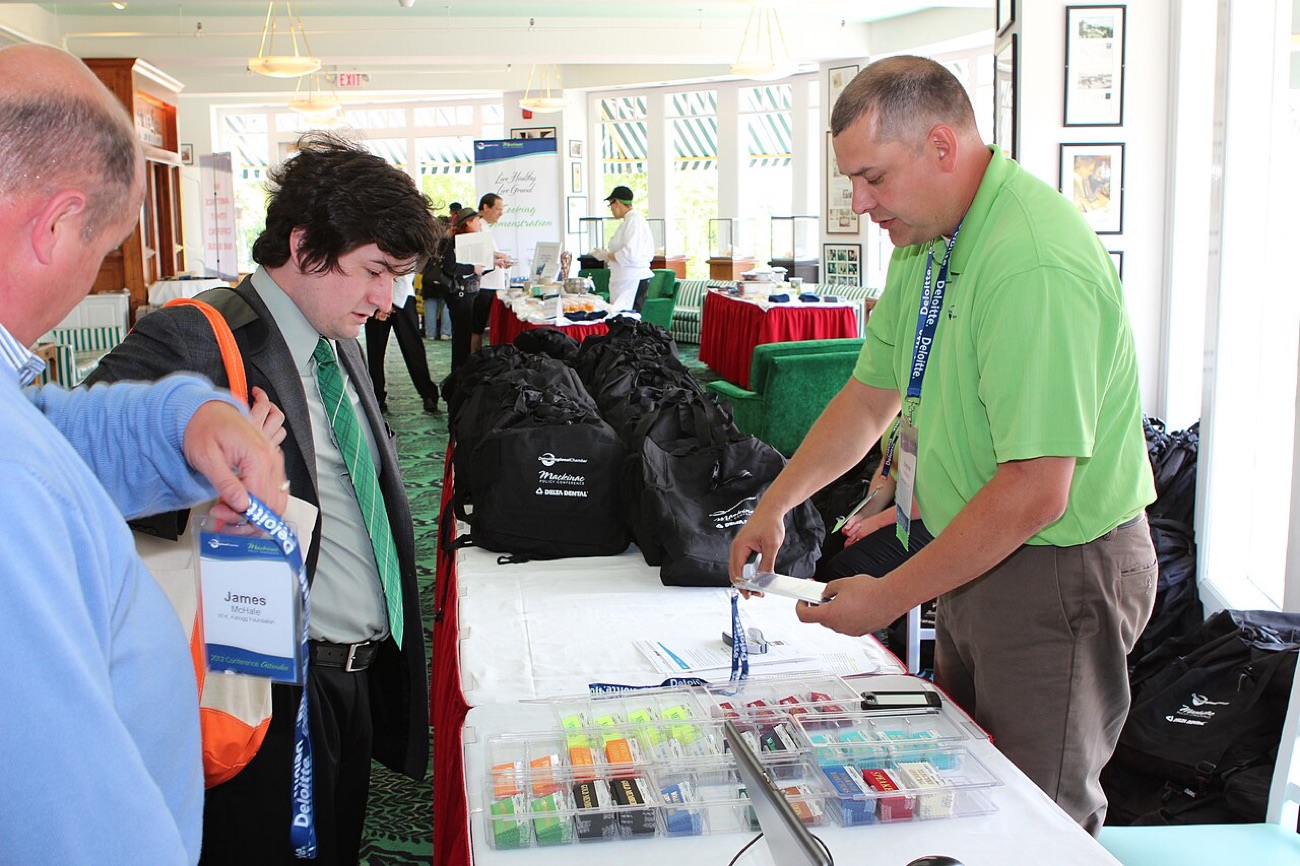
Lead retrieval is the unglamorous name for a simple exchange. A visitor stops at your stand, a member of your team scans their badge, and the visitor's contact details land in a file you can use after the show. Everything else in the sales pitch for scanners is decoration on top of that one exchange.
What the scan really captures
The organiser's registration company decides what the badge holds. Often the code carries little more than an ID number, and the device or app looks up the full record once it has a connection. That matters on the floor: if the reader needs a signal and the hall has none, your team may only see a number until later. Ask the organiser whether the scanner works offline and when the records fill in.
Rent the official device or use your own?
Most shows offer an official rental, either a handheld or a phone app with a licence per user. The official route is the safest for a first show, because it is guaranteed to read that event's badges. Third-party tools can be excellent, but check first that the registration company allows them, and whether they pay for access to the data.
Three decisions before doors open
- Who scans. One licence shared between four people becomes a queue at the worst moment.
- What you ask. Three or four questions at most: product interest, timeframe, role in the purchase. Our guide to a standard lead survey goes further.
- Who follows up, and when. Name the person and the date before the show, not after it.
A habit worth borrowing
Experienced casino hosts are a useful comparison. They do not treat every player who walks past as equal; they note what each guest plays, how often they visit and what would bring them back, and they write it down at once. Good booth staff work the same way. A scan with a one-line note is worth several without one, and the note is much harder to reconstruct on the flight home.
What to check on the last afternoon
Before the stand comes down, export the list and open it on a laptop. Make sure the record count looks right, the notes survived and the fields are readable. Devices go back to the rental desk, and problems are far easier to solve while the desk still exists.