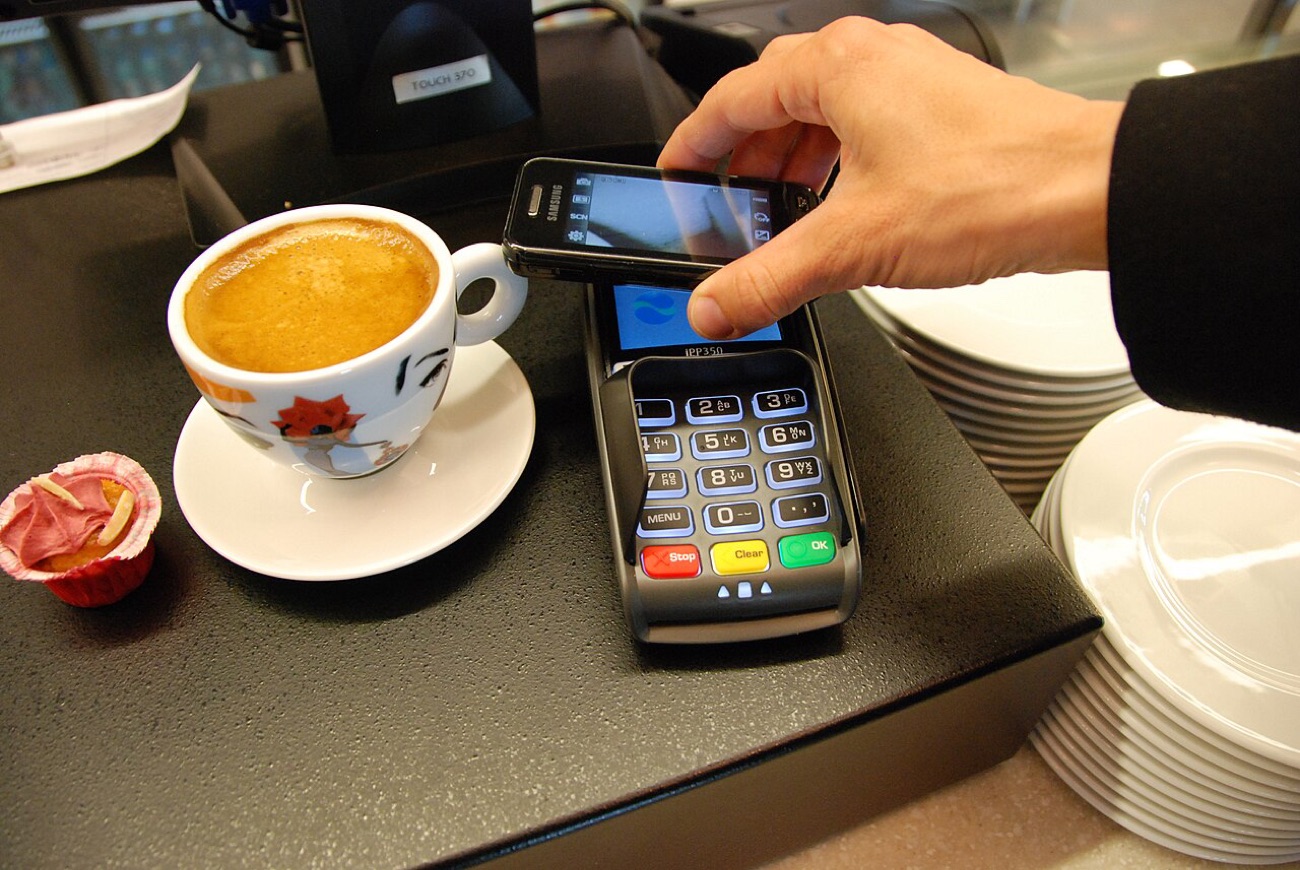
NFC Tags and QR Codes on Event Signage
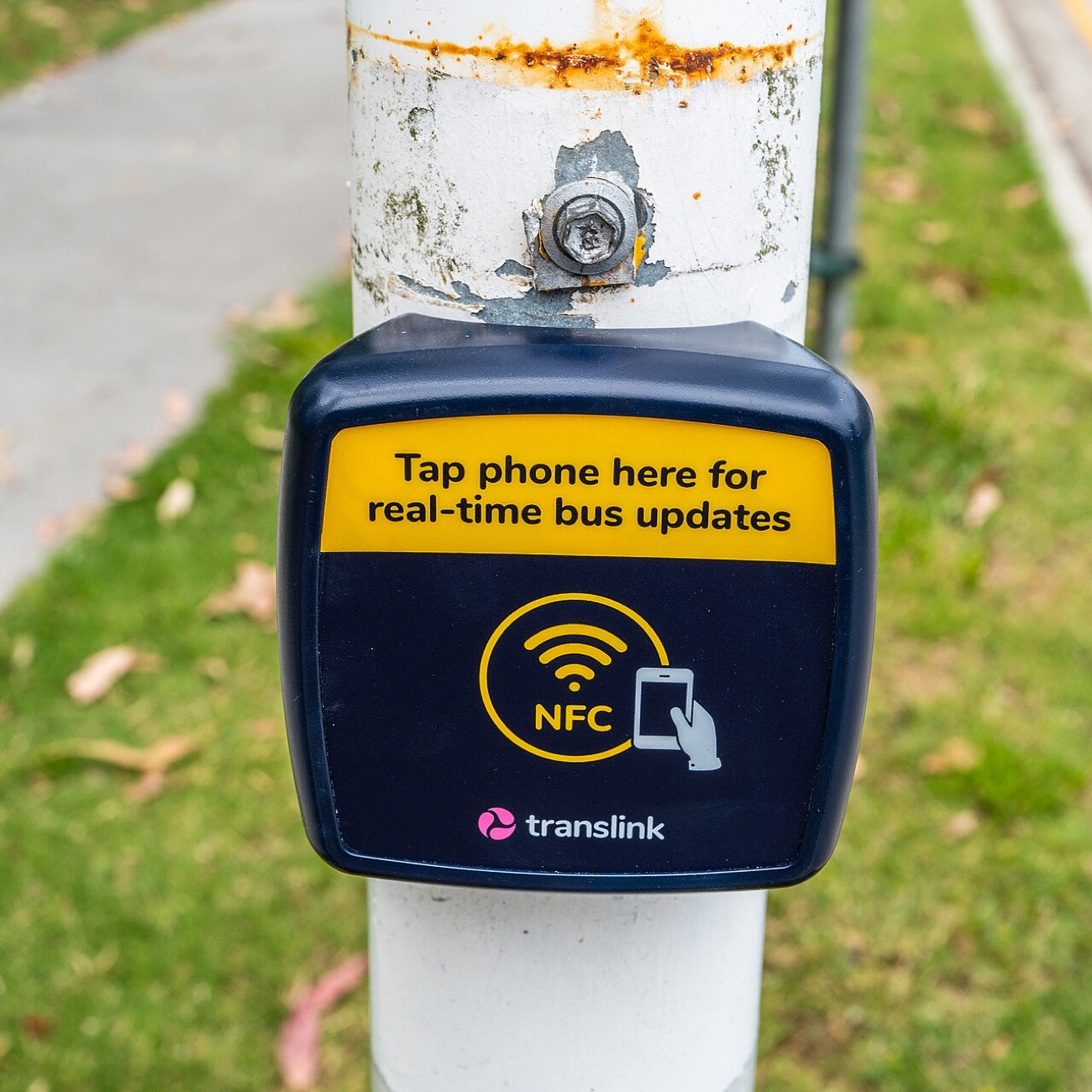
Printed signs that respond to a phone are an old idea. Early event trials used Nokia handsets and small stickers, and the demonstrations drew crowds mainly because they were new. Today nearly every phone can read a QR code with its camera and most can read an NFC tag, so the question has changed from "does it work?" to "is it worth anyone's time?"
QR or NFC?
A QR code can be read from a few metres away, so it suits banners and screens. An NFC tag has to be touched, so it suits a counter card, a table talker or a seat back. Many signs now carry both, which also protects you when one of them fails.
What people will actually tap for
- A floor map or a schedule that is more current than the printed one.
- A speaker's slides, promised during the session.
- A short product video at a booth with no room for a demo unit.
- An instant entry into a prize draw, which is reliably the strongest prompt of all.
Avoid the dead ends
Always point to a page you control, so you can change the destination after the signs are printed. Keep that page light, because venue connections are often poor. Test on an old Android and a current iPhone, on the hall's own Wi-Fi as well as on mobile data. And write down what the tap does: "Tap for the map" beats a bare logo every time.
Security on the show floor
Stickers can be stuck over stickers. That sounds minor until a fake code sends visitors to a phishing page. Use tamper-evident tags where you can, lock tags after writing them and have someone walk the floor each morning. Casino operators, who put QR codes on table tents and on sportsbook kiosks and who know exactly how attractive their customers are to fraudsters, tend to check their printed materials on a schedule. Event teams should do the same.
Measure the right thing
Count taps per sign, not total taps, and give each sign its own short address. After one show you will know which locations worked, which is more useful than any general claim about smart posters.